In a competitive digital world, a well-designed content strategy can make the difference between being a benchmark or going unnoticed. In this guide, you will learn how to structure a content plan that boosts your brand, connects with your target audience and improves your SEO positioning.
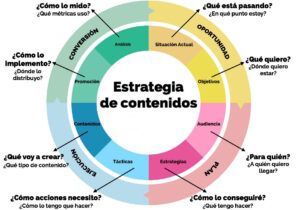
Content strategy
1. Define the objectives of your strategy
Before creating content, it is critical to understand what you want to achieve. Your objectives may include:
Increase web traffic.
Generate qualified leads.
Improve brand recognition.
Educate your audience about products or services.
Tip: Use the SMART method to define specific, measurable, achievable, relevant and time-bound objectives.
2. Know your Target Audience
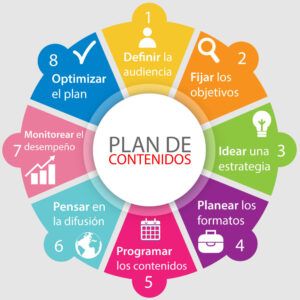
Content plan
Segment your audience and create detailed buyer persona profiles. Include information such as:
Age, gender, location.
Needs and challenges.
Digital channels they frequent.
Example: If your audience is eCommerce entrepreneurs, focus on practical solutions for PrestaShop or WordPress.
3. Research relevant topics
Perform a keyword analysis to identify what your audience is searching for. Use tools such as:
Keyword analysis
Google Keyword Planner.
Answer the Public.
SEMrush or Ahrefs.
Tip: Prioritize topics that combine high search volume with low competition.
4. Design an editorial calendar
Plan content in advance to ensure consistency. Includes:
Date of publication.
Type of content (blogs, infographics, videos).
Distribution platforms (web, social networks, email marketing).
Recommended tool: Use Metricool to manage publications efficiently.
5. Create valuable content
Calendar of contents
Content should be useful, educational or entertaining for your audience. Effective types of content:
Blogs: Tutorials, guides and case studies.
Videos: Product demos or webinars.
Infographics: Visual summary of data.
eBooks or Whitepapers: More detailed content to generate leads.
Tips to optimize content:
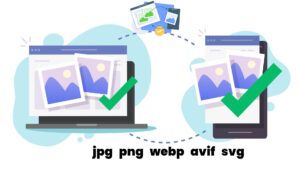
Image optimization
Image optimization:
Use tools such as TinyPNG or ImageOptim to reduce weight without losing quality.
Include descriptive names in image files (e.g., estrategia-contenido-digital.jpg instead of IMG12345.jpg).
Add alt attributes that include keywords to improve accessibility and SEO.
In-text SEO:
Use keywords naturally in headings (H1, H2, H3) and paragraphs.
Create internal links to other pages of your site to improve navigation and SEO.
6. Distribute and promote your content
Plan content calendar
It’s not enough to just create content; you need to make sure it reaches your audience:
Social networks: Adapt the content to the tone of each platform.
Email marketing: Send newsletters with your recent publications.
Google My Business and Local SEO:
Post regularly on your Google My Business (GMB) profile to keep it active and attractive.
Add links to your website’s blogs in GMB posts.
Use local keywords in your descriptions and posts (for example, “content strategies in Murcia”).
Collaborations: Guest posts on related blogs or influencers.
Tip: If you have a physical store or local services, encourage users to leave reviews on GMB, as positive opinions strengthen your local SEO.
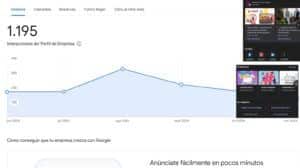
Google My Business
7. Analyze and adjust your strategy
Monitor content performance to understand what works best. KPIs to track:
Web traffic (Google Analytics).
Conversion rate.
Interactions in social networks (likes, shares, comments).
Time spent on the page.
Tip: Make adjustments based on data; for example, if a topic has high engagement, create related content.
Frequently Asked Questions
Why do I need a content strategy?
A content strategy is essential to ensure that the content you create is relevant, engaging and aligned with your business objectives. It also helps to optimize resources, improve SEO and effectively connect with your target audience.
What is a buyer persona and how does it affect my content strategy?
A buyer persona is a semi-fictional representation of your ideal customer, based on real data and well-founded assumptions. Knowing them allows you to create content that responds to their needs, interests and problems, which improves engagement and conversion.
How often should I publish new content?
The frequency depends on your ability to produce quality content and the needs of your audience. However, a minimum of 1-2 posts per week is usually effective in maintaining a good presence and improving your SEO.
What tools can I use to plan and distribute my content?
Some useful tools are:
For planning: Trello, Asana, Metricool.
For keyword research: SEMrush, Ahrefs, Google Keyword Planner.
For distribution: Buffer, Hootsuite, Mailchimp.
How do I optimize images for SEO?
Use descriptive file names with relevant keywords.
Compress the images so that they do not affect the loading speed.
Be sure to include alternative text (alt attribute) with useful and relevant descriptions.
Use state-of-the-art avif or webp file types.
What is local SEO and how do I incorporate it into my content strategy?
Local SEO optimizes your online presence to attract relevant searches in a specific geographic location. To incorporate it:
Use local keywords in your content.
Create and optimize your Google My Business profile.
Include addresses and contact information on your website.
How to measure the success of my content strategy?
Monitor relevant KPIs such as:
Web traffic (unique visits, page views).
Engagement (shares, comments, likes).
Conversions (sales, leads generated).
SEO (keyword positions, backlinks obtained).
What type of content works best in blogs?
Educational and valuable content such as:
Practical guides.
Case studies.
Lists and tips.
Analysis of sector trends.
Tutorials and frequently asked questions.
Should I use text only or include other content formats?
An effective strategy combines different formats: text, images, videos, infographics and podcasts, depending on the preferences of your audience and the platforms where you publish.
Summary
An effective content strategy requires planning, careful execution and constant analysis. By following these steps, you will be able to connect with your audience, generate value and achieve your business goals.
Suscríbete a nuestra lista de correo para recibir las últimas noticias y actualizaciones de nuestro equipo.
Gracias por suscribirte
Gestiona tu privacidad
To provide the best experiences, we and our partners use technologies like cookies to store and/or access device information. Consenting to these technologies will allow us and our partners to process personal data such as browsing behavior or unique IDs on this site and show (non-) personalized ads. Not consenting or withdrawing consent, may adversely affect certain features and functions.
Click below to consent to the above or make granular choices. Your choices will be applied to this site only. You can change your settings at any time, including withdrawing your consent, by using the toggles on the Cookie Policy, or by clicking on the manage consent button at the bottom of the screen.
Funcional
Always active
El almacenamiento o acceso técnico es estrictamente necesario para el propósito legítimo de permitir el uso de un servicio específico explícitamente solicitado por el abonado o usuario, o con el único propósito de llevar a cabo la transmisión de una comunicación a través de una red de comunicaciones electrónicas.
Preferencias
El almacenamiento o acceso técnico es necesario para la finalidad legítima de almacenar preferencias no solicitadas por el abonado o usuario.
Estadísticas
El almacenamiento o acceso técnico que es utilizado exclusivamente con fines estadísticos.El almacenamiento o acceso técnico que se utiliza exclusivamente con fines estadísticos anónimos. Sin un requerimiento, el cumplimiento voluntario por parte de tu Proveedor de servicios de Internet, o los registros adicionales de un tercero, la información almacenada o recuperada sólo para este propósito no se puede utilizar para identificarte.
Marketing
El almacenamiento o acceso técnico es necesario para crear perfiles de usuario para enviar publicidad, o para rastrear al usuario en una web o en varias web con fines de marketing similares.